The landscape of modern electronics is a testament to human ingenuity, composed of myriad components and devices that have evolved from simple tools to sophisticated systems. Among these, several items stand out for their historical significance, functional diversity, and role in shaping our digital world. This article explores a selection of such electronic elements, including the Panasonic electronic typewriter, GPS modules, electronic counters, hand microphones (handsets), guide rails and wheels, and electronic modules.
- Panasonic Electronic Typewriter: Before the widespread adoption of personal computers, electronic typewriters from companies like Panasonic represented a significant leap from mechanical models. They offered features such as memory for text storage, correction capabilities, and sometimes even basic word processing. These devices bridged the gap between traditional typing and digital document creation, playing a crucial role in offices and for writers during the late 20th century.
- GPS Modules: The Global Positioning System (GPS) module is a cornerstone of modern navigation and location-based services. These small electronic units receive signals from satellites to determine precise geographic coordinates. Integrated into everything from smartphones and cars to drones and wearable devices, GPS modules have revolutionized how we travel, track assets, and explore the world, making global positioning accessible and ubiquitous.
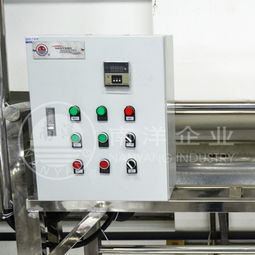
- Electronic Counters: Electronic counters are fundamental components used to count events, pulses, or quantities in various industrial, scientific, and commercial applications. Unlike mechanical counters, they offer higher speed, accuracy, and the ability to interface with digital systems. They are essential in manufacturing lines for production tally, in traffic systems for vehicle counting, and in laboratories for measurement and experimentation.
- Hand Microphones (Handsets): Commonly referred to as "handmics" or handsets in communication contexts, these are portable microphone units often used in two-way radios, intercom systems, and broadcasting. They combine a microphone and sometimes a speaker in a handheld format, allowing for clear voice transmission in dynamic environments such as security operations, event management, and theatrical performances.
- Guide Rails and Wheels: In the realm of electronics and machinery, guide rails and wheels (or rollers) are mechanical components that ensure precise linear motion. They are vital in devices like printers, scanners, and automated manufacturing equipment, where they guide moving parts smoothly along a predetermined path. Their precision reduces friction and wear, enhancing the reliability and longevity of electronic systems.
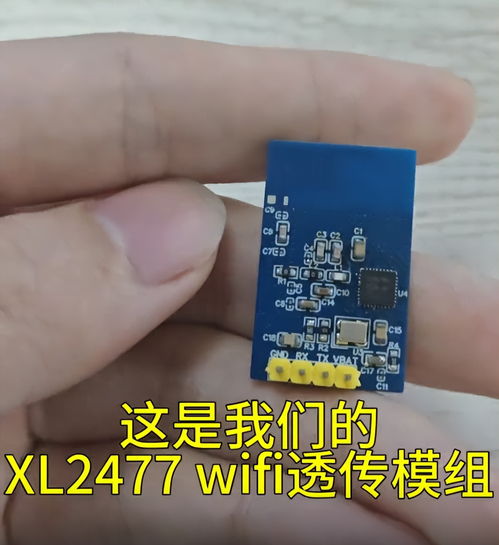
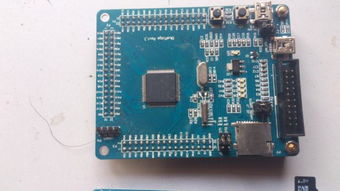
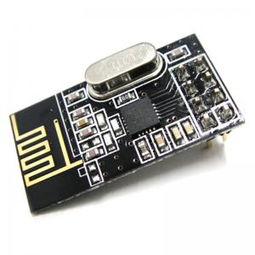
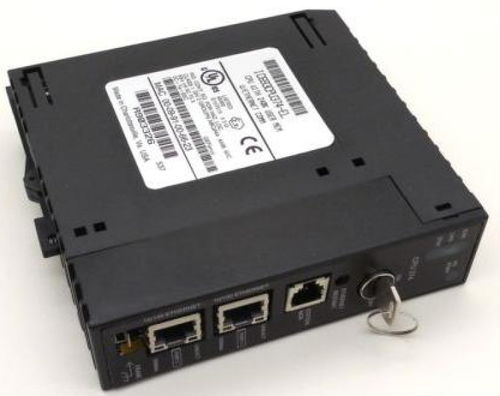
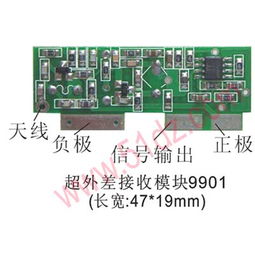
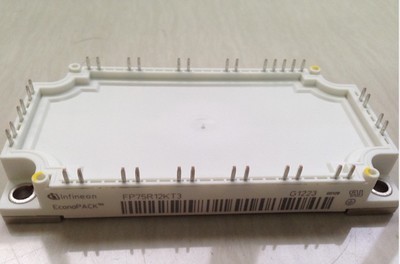
- Electronic Modules: Electronic modules are pre-assembled circuit boards or units that perform specific functions, such as power regulation, signal processing, or wireless communication (e.g., Bluetooth or Wi-Fi modules). They simplify the design and manufacturing of complex devices by providing ready-to-use, tested components. This modular approach accelerates innovation, allowing engineers to focus on system integration rather than building every circuit from scratch.
Together, these components illustrate the interdisciplinary nature of technology—where mechanics, electronics, and software converge. From the Panasonic typewriter that once streamlined office work to the GPS modules that now guide us effortlessly, each element represents a step in the ongoing journey of technological advancement. As we continue to innovate, these foundational pieces evolve, paving the way for smarter, more connected, and more efficient tools in our daily lives and industries.